
Консультация по продукту
Ваш адрес электронной почты не будет опубликован. Требуемые поля отмечены *
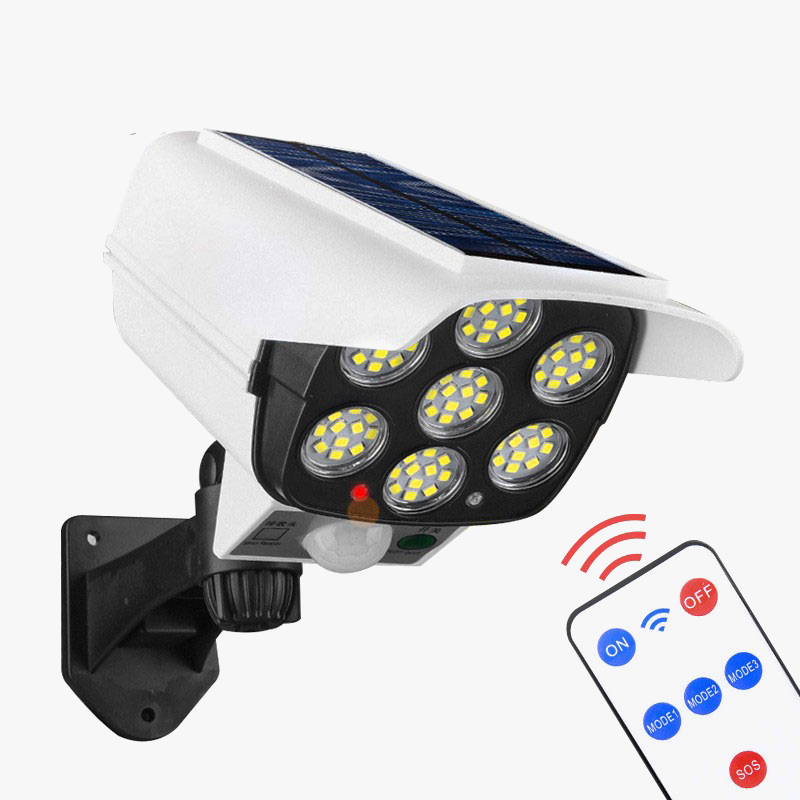
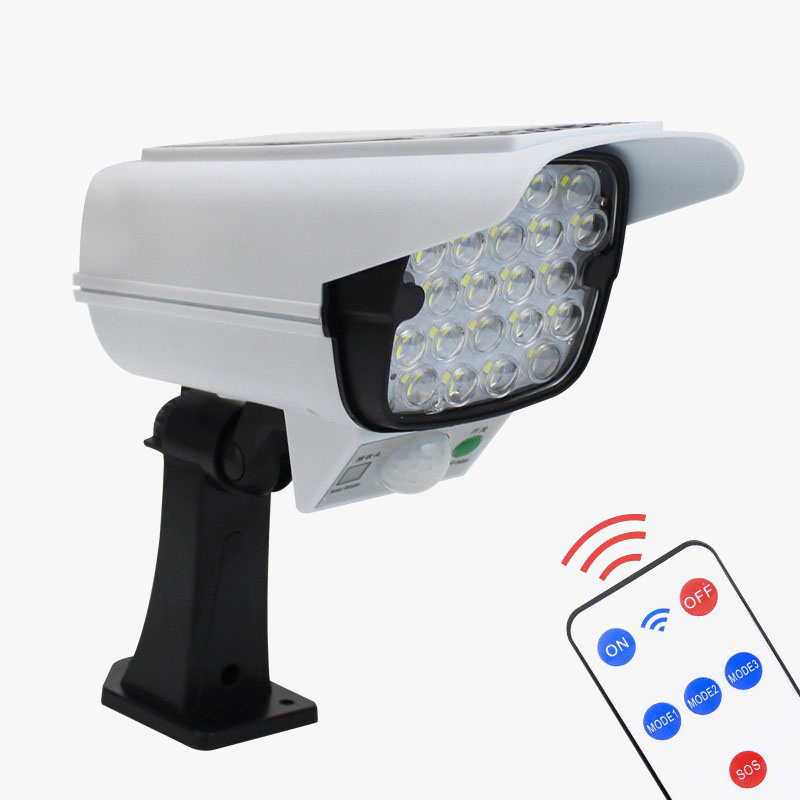
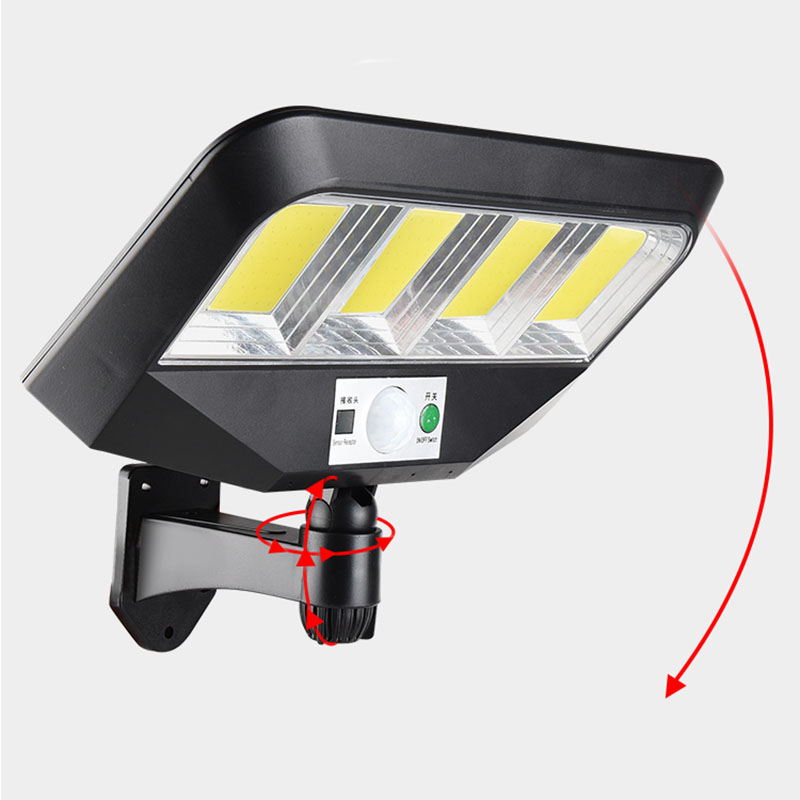
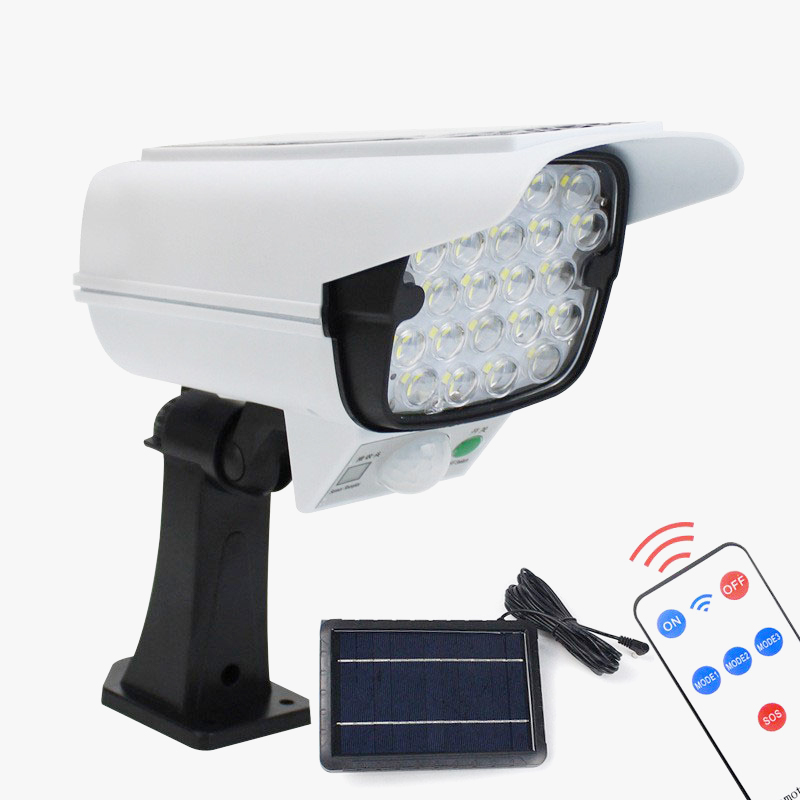
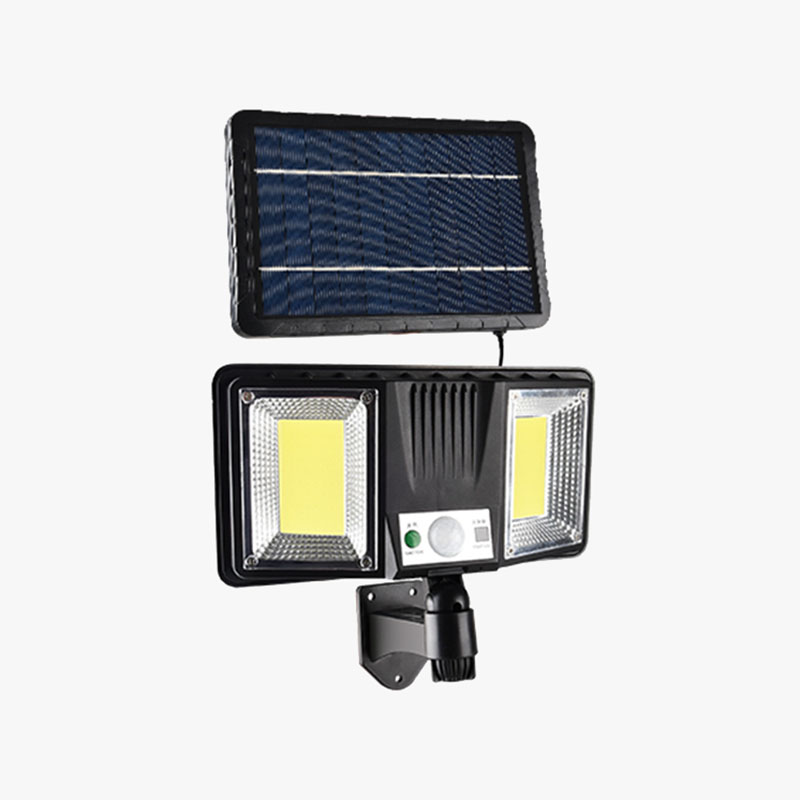
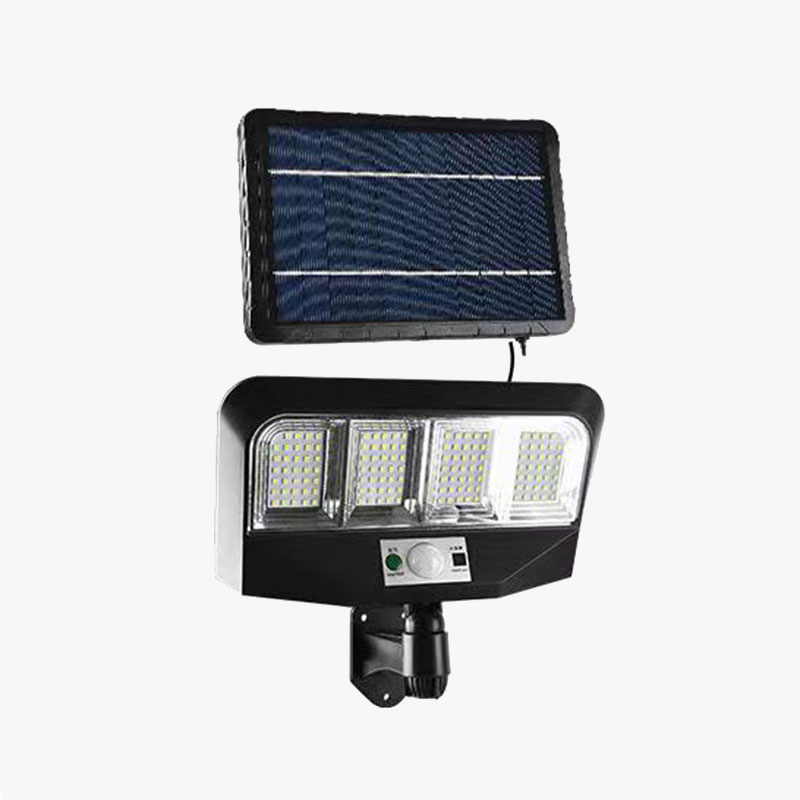
Прямой ответ: а Светодиодный съемный настенный светильник на солнечной энергии Обычно срок службы светодиодного источника света составляет от 25 000 до 50 000 часов. , что соответствует примерно 10–20 годам нормального использования. Однако общий срок службы всей ламповой системы зависит от трех компонентов, которые стареют с разной скоростью: светодиодного чипа, аккумуляторной батареи и солнечной панели. Понимание ожидаемого срока службы каждого компонента поможет вам установить реалистичные ожидания и соответствующим образом спланировать техническое обслуживание.
На практике большинство пользователей обнаруживают, что аккумулятор — первый компонент, требующий замены , обычно через 3–5 лет, в то время как светодиод и солнечная панель продолжают работать и после этого срока. При правильном уходе и своевременной замене батарей качественный съемный настенный светильник на солнечных батареях может надежно служить более десяти лет.
Съемный настенный светильник на солнечных батареях — это не монолитное устройство, а система, состоящая из отдельных частей, каждая из которых имеет свой профиль долговечности. Знание того, как долго прослужит каждая деталь, позволит вам определить, где износ будет проявляться в первую очередь, и как продлить общий срок службы системы.
Светодиод (светодиод) – самый долговечный компонент системы. Высококачественные светодиодные чипы рассчитаны на От 25 000 до 50 000 часов операции. Если лампа работает в среднем 6 часов в сутки, то срок службы светодиода составит примерно 30 000 часов. от 13 до 14 лет до того, как его яркость упадет до 70 % от исходной мощности — пороговое значение отраслевого стандарта (L70), используемое для определения окончания срока службы светодиодов. Многие светодиоды продолжают работать и после этого момента, просто с пониженной яркостью.
В отличие от традиционных ламп накаливания или галогенных ламп, светодиоды не перегорают внезапно. Вместо этого они постепенно тускнеют со временем — явление, называемое обесценение люмена . Такое постепенное снижение означает, что пользователи обычно замечают снижение производительности задолго до того, как лампа полностью выйдет из строя, что дает достаточно времени для планирования технического обслуживания.
Аккумуляторная батарея, как правило, является самым недолговечным компонентом солнечной настенной лампы. В большинстве съемных настенных светильников на солнечных батареях используется один из следующих химических составов батарей:
Съемная конструкция этих ламп специально разработана для упрощения замены батареи. Вместо того, чтобы выбрасывать весь блок, когда батарея разряжается, пользователи могут просто заменить батарейный модуль и восстановить полную производительность лампы, что значительно продлевает срок службы продукта и снижает вредное воздействие на окружающую среду.
Солнечная панель является очень прочным компонентом. Качественные монокристаллические или поликристаллические солнечные панели, используемые в уличных настенных светильниках, предназначены для работы в течение от 15 до 25 лет , с годовой скоростью снижения эффективности примерно от 0,5% до 0,8% в год. Это означает, что через 10 лет качественная панель по-прежнему будет преобразовывать солнечный свет в электричество примерно на 92–95 % от своей первоначальной эффективности.
Основным риском для солнечных панелей являются физические повреждения — царапины, трещины от падения мусора или отслоение защитного поверхностного слоя, вызванное длительным воздействием ультрафиолета. Регулярная очистка и осмотр могут предотвратить многие из этих проблем и поддерживать максимальную эффективность панели на протяжении всего ее длительного срока службы.
| Компонент | Типичная продолжительность жизни | Ключевой ограничивающий фактор | Сменный? |
|---|---|---|---|
| Светодиодный источник света | 25 000–50 000 часов (10–20 лет) | Обесценивание люменов с течением времени | Да (на съемных моделях) |
| NiMH аккумулятор | 2–4 года (500–1000 циклов) | Деградация цикла зарядки | Да |
| Литий-ионный аккумулятор | 3–5 лет (500–1500 циклов) | Деградация цикла зарядки | Да |
| LiFePO4 аккумулятор | 5–8 лет (2000 циклов) | Деградация цикла зарядки | Да |
| Солнечная панель | 15–25 лет | УФ-деградация, физическое повреждение | Да (на съемных моделях) |
Отличительной особенностью съемного настенного светильника на солнечных батареях является физическое разделение между солнечной панелью и осветительным прибором . В обычных интегрированных солнечных лампах все компоненты заключены в единый корпус. При выходе из строя какого-либо компонента (чаще всего аккумулятора) необходимо выбросить весь блок. Это приводит к ненужным отходам и затратам на замену.
Съемная архитектура решает эту проблему несколькими важными способами:
С практической точки зрения, домовладелец, который заменяет только аккумуляторный модуль каждые 3–5 лет, может поддерживать работу одной и той же солнечной панели и светодиодного светильника в течение длительного времени. 15 лет и более , за небольшую часть стоимости многократной покупки комплектных сменных блоков.
Хотя рейтинги производителей служат полезной отправной точкой, фактический срок службы значительно варьируется в зависимости от реальных условий. Следующие факторы оказывают наибольшее влияние на срок службы настенного светильника на солнечной батарее:
Солнечные лампы, установленные в местах, получающих менее 4-6 часов прямого солнечного света в день каждую ночь будут более глубоко разряжать свои батареи, расходуя большую часть емкости батареи, чтобы компенсировать более короткое окно зарядки. Более глубокие циклы разрядки ускоряют деградацию батареи. Таким образом, в регионах с частой пасмурной погодой, густым лесным покровом или короткими зимними днями срок службы батареи будет короче по сравнению с солнечным климатом. В условиях яркого солнечного света, таких как юго-запад США, южная Европа или Австралия, одна и та же батарея может работать на 20–30 % дольше, чем в среднем по номиналу.
Температура является одним из наиболее важных факторов, влияющих на срок службы аккумулятора. Литий-ионные аккумуляторы оптимально работают между 15°C и 35°C (от 59°F до 95°F) . Длительное воздействие температур ниже -10°C (14°F) или выше 45°C (113°F) может ускорить потерю емкости до 25% в год по сравнению с батареями, работающими в идеальном температурном диапазоне. Некоторые производители проектируют свои аккумуляторные корпуса с изоляционными материалами или вентиляционными отверстиями для снижения термического напряжения в экстремальных климатических условиях.
Степень IP настенного светильника на солнечных батареях указывает на его устойчивость к проникновению пыли и воды. Для наружной установки минимальная номинальная мощность IP44 (с защитой от брызг воды) допускается в защищенных местах, а IP65 или выше (пыленепроницаемый и защищенный от водяных струй) рекомендуется для открытых позиций в дождливом или прибрежном климате. Лампа с недостаточным классом защиты IP будет страдать от попадания влаги в печатную плату и батарейный отсек, что резко сокращает срок ее службы независимо от качества компонентов.
Лампы, оснащенные датчики движения активироваться только при обнаружении движения, а не работать непрерывно от заката до рассвета. Такой режим работы существенно снижает количество циклов полной разрядки в год. Лампа, используемая с активацией датчика движения в среднем 2–3 часа в сутки, оказывает гораздо меньшую нагрузку на батарею, чем лампа, работающая непрерывно в течение 8–10 часов. В режиме датчика движения срок службы батареи можно продлить, от 30% до 50% по сравнению с режимом непрерывного включения в идентичных условиях.
Не все настенные светильники на солнечных батареях изготовлены по одному и тому же стандарту. Лампы изготовлены из Солнечные элементы класса А, аккумуляторы с большим циклом цикла и крышки панелей из закаленного стекла. значительно прослужат дольше тех, которые построены из компонентов более низкого качества. Производители с обширным опытом работы в отрасли и строгими процессами контроля качества, например, компании с 15 или более лет специализированной истории производства освещения — стремиться использовать компоненты, соответствующие более высоким стандартам производительности и долговечности, что приводит к увеличению реального срока службы.
Съемные настенные светильники на солнечных батареях обычно включают в себя системы автоматического управления — либо датчик освещенности (фотоэлемент), который включает лампу в сумерках и выключает ее на рассвете, либо пассивный инфракрасный (PIR) датчик движения, который включает освещение только при обнаружении движения поблизости. Эти системы управления напрямую влияют на то, сколько часов работы накапливает лампа, что, в свою очередь, влияет на то, как быстро стареет светодиод и аккумулятор.
Выбор режима работы, который соответствует вашим реальным потребностям в области безопасности или освещения, а не использование постоянного освещения по умолчанию, является одним из самых простых и эффективных способов продлить срок службы батареи вашего настенного светильника на солнечной батарее без каких-либо дополнительных инвестиций.
Распознавание ранних признаков деградации компонентов позволяет принять корректирующие меры до того, как лампа полностью выйдет из строя. Вот на что следует обратить внимание в каждой части системы:
Большинство факторов, сокращающих срок службы настенных светильников на солнечных батареях, можно устранить с помощью простого и не требующего усилий технического обслуживания. Следующая процедура поможет вам добиться максимального срока службы всех трех компонентов:
Место и способ установки съемного настенного светильника на солнечных батареях оказывает прямое и продолжительное влияние на его производительность и срок службы. Следующие решения по установке являются одними из наиболее эффективных:
Для максимального сбора энергии солнечная панель должна быть обращена в направлении максимальной солнечной радиации в вашем регионе. В Северном полушарии А. панель, выходящая на юг под углом между 30 и 45 градусов от горизонтального положения будет улавливать больше всего солнечного света в любое время года. Отклонение от этой оптимальной ориентации на 45 градусов может сократить ежедневный сбор энергии почти на 45 градусов. 20% , что требует более глубокой ночной разрядки аккумулятора и со временем сокращает срок его службы.
Установка светильника на высоте От 2 до 3 метров (от 6,5 до 10 футов) над землей обеспечивает наилучший баланс между эффективной дальностью обнаружения движения, распространением освещения и защитой от случайного вмешательства или случайного физического повреждения. Слишком низкий монтаж увеличивает риск физического повреждения; слишком высокая установка может снизить эффективность датчика движения или уменьшить освещенную площадь на уровне земли.
Установка лампы непосредственно на поверхность, отражающую или удерживающую тепло, например, на металлическую стену, окрашенную в темный цвет, или на поверхность, на которую в течение нескольких часов попадает прямое полуденное солнце, может повысить температуру окружающей среды вокруг батарейного отсека. По возможности обеспечьте достаточный воздушный зазор между корпусом лампы и поверхностью стены для рассеивания тепла.
Чтобы представить срок службы светодиодного съемного настенного светильника на солнечных батареях, полезно сравнить его непосредственно с традиционными альтернативами наружного освещения, которые он чаще всего заменяет:
| Тип освещения | Срок службы светодиодов | Источник энергии | Частота технического обслуживания | Требуется проводка |
|---|---|---|---|---|
| Светодиодный съемный настенный светильник на солнечной энергии | 25 000–50 000 часов | Солнечная энергия (бесплатно) | Батарея каждые 3–5 лет; чистка панели ежемесячно | Нет |
| Светодиодный настенный светильник с питанием от сети | 25 000–50 000 часов | Сетевое электричество | Минимальный (замена лампочки через 10 лет) | Да |
| Галогенный настенный светильник | 2000–5000 часов | Сетевое электричество | Замена лампы каждые 1–2 года. | Да |
| Лампа накаливания для наружного освещения | 750–1200 часов | Сетевое электричество | Замена лампы каждые 3–6 месяцев. | Да |
Сравнение подчеркивает явное преимущество: Светодиодные настенные светильники на солнечных батареях соответствуют долговечности светодиодных светильников с питанием от сети, устраняя при этом необходимость в электропроводке и текущих затратах на электроэнергию. . Единственным компромиссом является периодическая замена батареи, которую съемная конструкция упрощает для любого домовладельца.
Если увеличение срока службы является приоритетом, следующие характеристики и характеристики являются наиболее надежными показателями прочного и долговечного настенного светильника на солнечной батарее:
Инвестирование в хорошо подобранную лампу от опытного производителя и соблюдение графика технического обслуживания, изложенного выше, — это наиболее надежный путь к достижению максимально возможного срока службы вашего съемного настенного светодиодного светильника на солнечной батарее.
Ваш адрес электронной почты не будет опубликован. Требуемые поля отмечены *

 Здание E21, город Ванянг Чжунчуанг, № 555 Бинхай -авеню, зона экономического развития Бинхай, район Фенхуа, город Нинбо, провинция Чжэцзян
 0086-130-81920916
Copyright © Conbo Electronics Co., Ltd. All right reseved.